

In recent years, cryptocurrency users have lost millions to sophisticated phishing attacks targeting digital wallets. This comprehensive guide explores the devastating impact of these attacks and provides crucial prevention strategies to protect your digital assets.
Understanding Digital Wallet Phishing Attacks
Phishing attacks targeting cryptocurrency users have become increasingly sophisticated, often mimicking legitimate wallet interfaces and services. These attacks can drain entire wallets in seconds, with transactions being irreversible once executed.
Common Types of Wallet Phishing Attacks
- Fake Wallet Websites
- Clone of legitimate wallet interfaces
- Similar domain names with slight variations
- Identical looking login pages
- Fake security certificates
- Malicious Browser Extensions
- Compromised wallet extensions
- Fake security add-ons
- Clipboard hijackers
- Keyloggers masked as utilities
- Social Engineering Tactics
- Emergency security update notifications
- Account verification requests
- Support staff impersonation
- Giveaway scams
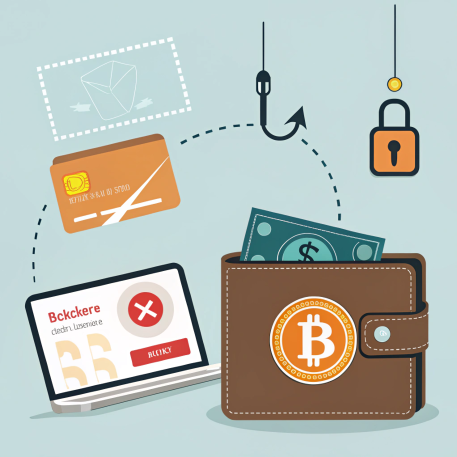
The Real Impact of Phishing Attacks
Financial Losses
- Immediate theft of entire wallet contents
- Loss of tokens and NFTs
- Transaction fees from unauthorized transfers
- Recovery costs and legal expenses
Personal Impact
- Emotional distress
- Lost time dealing with aftermath
- Compromised personal information
- Potential identity theft risks
Essential Prevention Strategies
1. Verify Everything
- Double-check website URLs
- Confirm SSL certificates
- Verify email sender addresses
- Validate all communication channels
2. Secure Your Access
Copy✓ Use hardware wallets when possible
✓ Enable 2FA on all accounts
✓ Create strong, unique passwords
✓ Use password managers
3. Practice Safe Browsing
- Bookmark legitimate wallet sites
- Never click email links to wallet services
- Use separate browsers for crypto activities
- Keep software updated
4. Implement Strong Security Measures
Hardware Security
- Use dedicated devices for large transactions
- Keep antivirus software updated
- Enable firewall protection
- Use VPN services
Account Security
- Multiple authentication factors
- Regular password changes
- Separate email for crypto accounts
- Security key backup systems
Red Flags to Watch For
Immediate Warning Signs
- Urgent action required messages
- Unrequested password resets
- Suspicious login notifications
- Unexpected wallet connections
Technical Indicators
- Slight URL variations
- Missing security certificates
- Poor website design quality
- Unusual popup windows
Best Practices for Digital Wallet Security
Daily Habits
- Regular security audits
- Check transaction histories
- Verify wallet addresses
- Monitor authorized devices
Long-term Security
- Cold storage for large amounts
- Regular backup procedures
- Emergency response plan
- Recovery phrase protection
Recovery Steps If Attacked
Immediate Actions
- Disconnect from network
- Reset all passwords
- Contact exchange platforms
- Document everything
Following Steps
- Report to authorities
- Notify relevant services
- Review security measures
- Implement new protections
Prevention Checklist
✓ Use hardware wallets ✓ Enable all security features ✓ Verify transactions carefully ✓ Keep software updated ✓ Use unique passwords ✓ Enable 2FA everywhere ✓ Regular security audits ✓ Backup important data
Conclusion
Phishing attacks on digital wallets represent a serious threat to cryptocurrency users. By implementing these prevention strategies and remaining vigilant, you can significantly reduce your risk of becoming a victim. Remember: in the crypto world, security is not just an option – it’s a necessity.